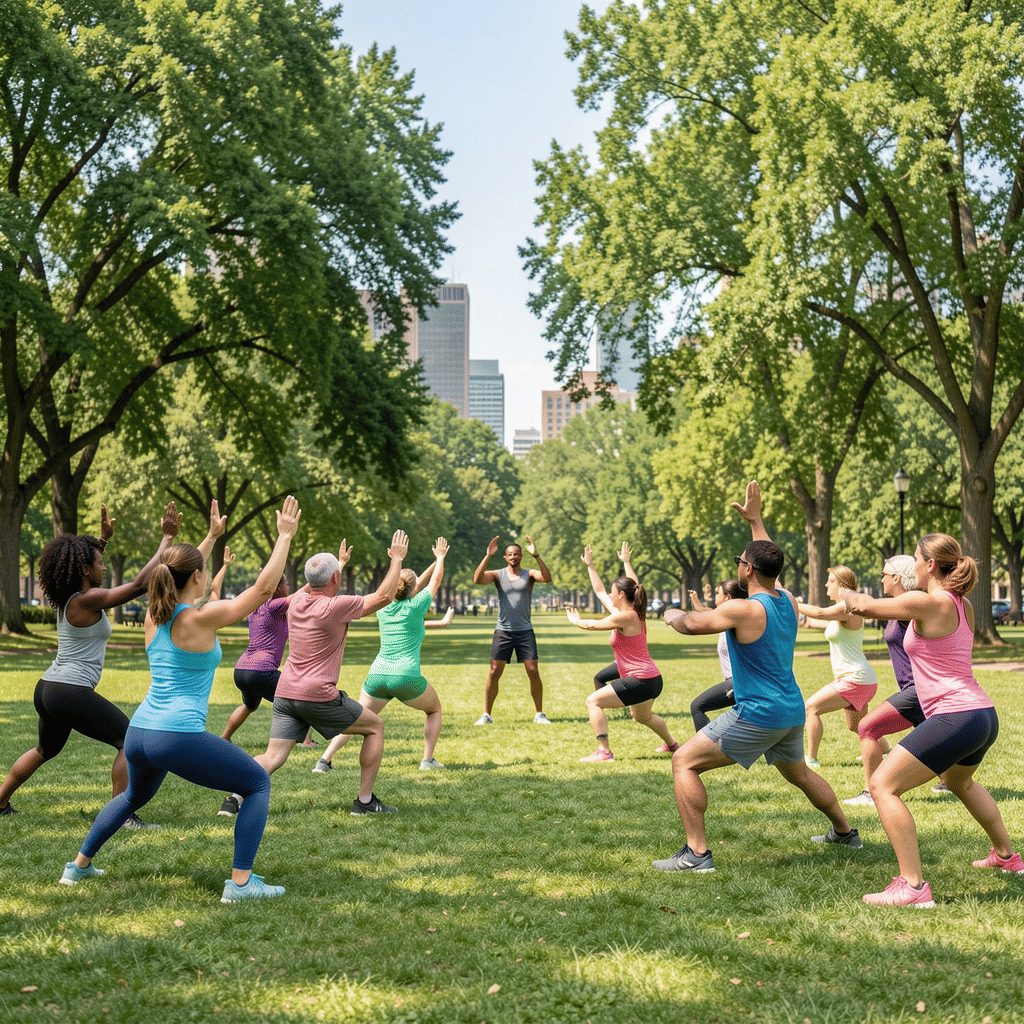
Group classes have carved a significant niche in the world of fitness, offering a dynamic and engaging way to exercise that extends beyond mere physical activity. These classes have gained immense popularity due to their ability to combine fitness with social interaction, providing a dual benefit that can enhance both physical and mental well-being. Whether it's yoga, cycling, aerobics, or high-intensity interval training, group classes offer a wide array of options to cater to different interests and fitness levels.
One of the most compelling aspects of group classes is their capacity to foster a sense of community among participants. In an increasingly digital world, the opportunity to connect with others in a shared physical space has become ever more valuable. Group classes cultivate an environment where individuals, regardless of their fitness journey's stage, can come together and support one another. The communal atmosphere encourages camaraderie, as participants push each other towards their fitness goals, celebrating personal achievements and milestones as a collective.
The shared experience of a group class can be incredibly motivating. The energy in the room, driven by both the instructor and fellow participants, creates a palpable enthusiasm that is often contagious. It's not uncommon for individuals to find themselves pushing a little harder, driven by the support and encouragement of those around them. This group dynamic can be particularly beneficial for those who struggle with maintaining motivation in solo workouts. The commitment to a scheduled class and the presence of like-minded individuals can act as a powerful catalyst for regular attendance and increased effort.
From a mental health perspective, group classes can act as a significant stress reliever. The combination of physical exertion and social interaction provides a two-pronged approach to managing stress. Exercise is known to release endorphins, the body's natural mood lifters, while positive social interactions can further enhance one’s mood and outlook. As participants engage in the class, they often find themselves immersed in the moment, able to temporarily set aside the stresses of daily life.
Moreover, group classes often provide a structured workout regimen that can be beneficial for individuals who may not know where to start with their fitness journey. Certified instructors guide classes, ensuring that exercises are performed safely and effectively while offering modifications and progressions to cater to varying abilities. This structured approach can be especially appealing for beginners or those who appreciate a clear direction in their workout plan.
Another significant advantage of group classes is their diverse offerings. Fitness studios and gyms aim to provide a wide range of classes to suit different preferences, from mind-body practices such as Pilates and yoga to more intense options like kickboxing and circuit training. This diversity not only keeps workouts exciting and varied but also encourages individuals to try new forms of exercise they might not attempt on their own.
In sum, group classes present a holistic approach to fitness by combining the physical benefits of a workout with the psychological advantages of community and motivation. They provide a seamless blend of exercise and socialization, catering to those seeking more than just a solitary fitness regime. As people continue to seek balance in their busy lives, group classes stand out as a truly engaging way to stay fit, healthy, and connected.